Is Playing Video Games Linked to Arm Pain?
Are video games linked to arm pain? At least one new study has suggested that they are. A quick look at this study with some easily applicable guidelines for gamer athletes.

Are video games linked to arm pain? At least one new study has suggested that they are. A quick look at this study with some easily applicable guidelines for gamer athletes.
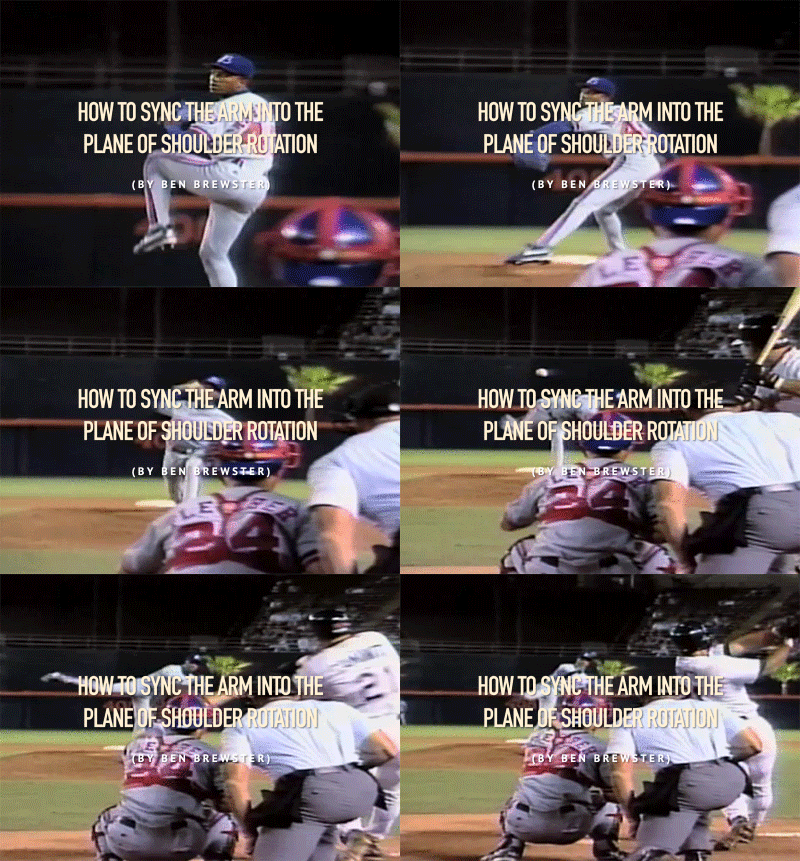
Efficient pitching mechanics combine and utilize multiple planes of motion, but maximum efficiency won’t be possible if the arm (and ball) don’t find their way into that plane of shoulder rotation from the start and stay there through ball release.
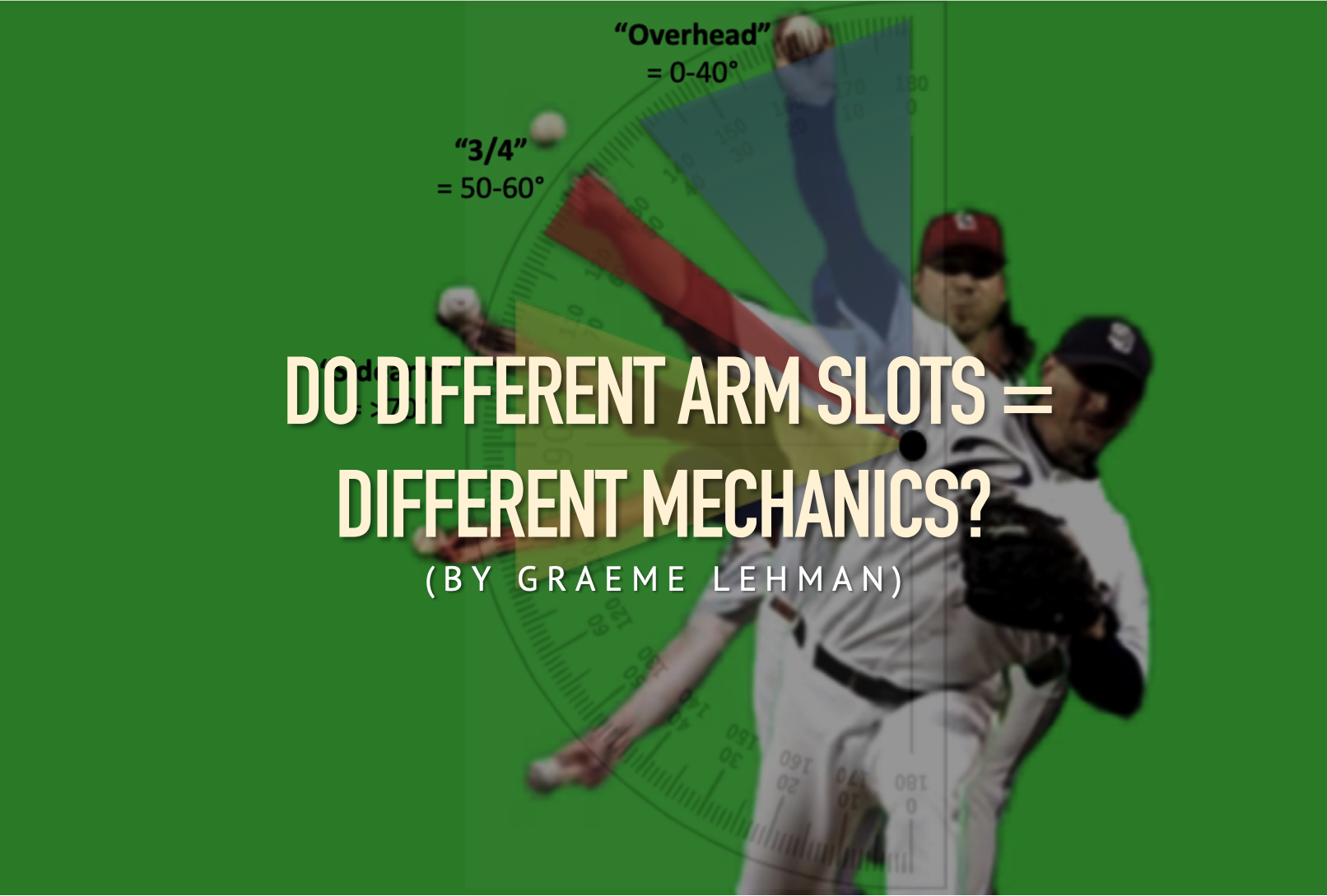
Categorizing pitchers based on their arm slot is easy. But is arm slot the only mechanical difference between these types of deliveries?

Tempo can be a valuable (and easily quantifiable) piece of the high velocity puzzle. But what is tempo? How do we quantify it? How do you compare to the best pitchers in the world? And is a faster/slower tempo always better? Let’s discuss.

While muscle, connective tissue and nervous system recovery take time, this rate of recovery can be improved to a point. That’s what this post is all about – reviewing what works, and what doesn’t, when it comes to your recovery.
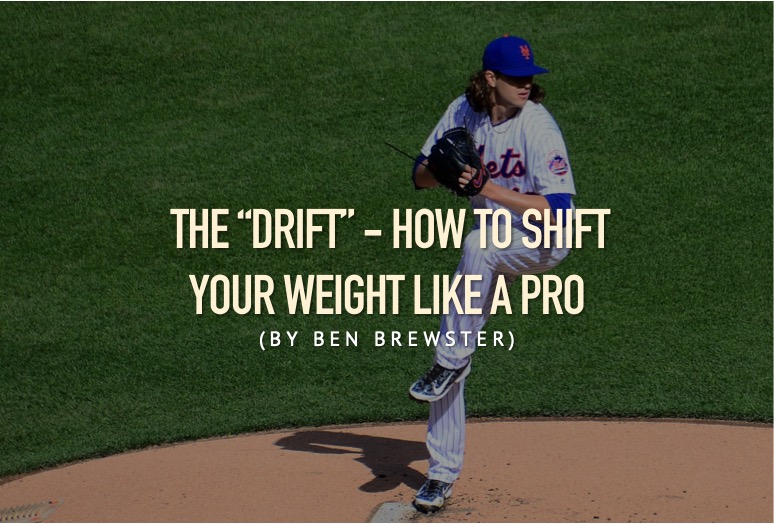
The drift is a shifting of the center of mass forwards, away from the rubber, preceding the active drive phase of the back leg. Despite being what the majority of high level throwers do to initiate forward motion, this is counter to what traditional pitching teaches with “balance points”.